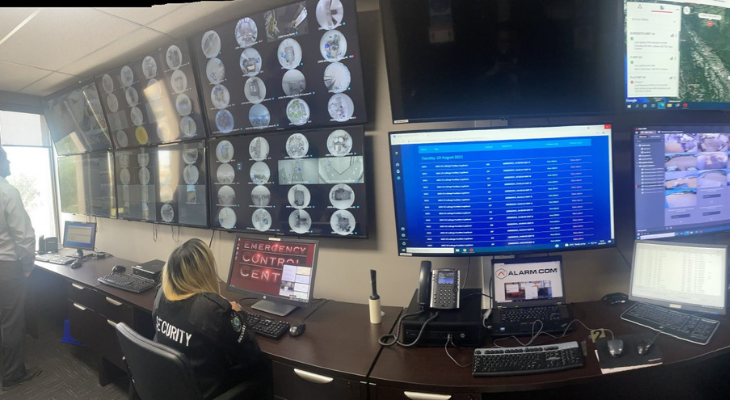
Vacant commercial properties create security risks much faster than most business owners expect. A building only needs to appear inactive for a short period before it begins attracting unwanted attention. Empty office buildings, warehouses, retail units, construction projects, and industrial sites often become easy targets for theft, vandalism, trespassing, and illegal activity.
Across Alberta and Western Canada, businesses continue facing rising concerns around property crime, material theft, and after-hours break-ins.
Vacant properties are especially vulnerable because there are fewer people on site to notice suspicious behaviour early. Once criminals realize a property is rarely occupied, repeated incidents often follow.
This is why many businesses are investing in professional video monitoring services that actively monitor properties instead of simply recording footage after damage occurs.
Remote monitoring gives property owners real-time visibility, faster response times, and stronger control over unattended commercial spaces.
Why Vacant Commercial Properties Face Higher Security Risks
A vacant commercial property sends a clear message to criminals. Limited activity usually means slower response times, fewer witnesses, and reduced oversight. These locations often contain valuable equipment and materials that can be removed quickly and sold easily.
Commercial sites commonly targeted include:
- Vacant office buildings
- Construction sites
- Industrial facilities
- Warehouses
- Storage compounds
- Retail plazas between tenants
- Buildings undergoing renovations
The risks extend far beyond theft alone. Vacant buildings can also experience vandalism, illegal dumping, copper theft, fires, squatting, and property damage caused by unauthorized access.
In many cases, a single incident can create expensive operational setbacks. Damaged electrical systems, broken windows, destroyed HVAC units, and fire suppression issues may delay occupancy or disrupt business operations for weeks.
Businesses also face growing insurance concerns. Some insurers now require additional security measures for vacant commercial properties because unattended buildings create higher exposure to loss and liability claims.
What Is Remote Video Monitoring?
Remote video monitoring is far more advanced than traditional surveillance cameras. Standard security cameras mainly record footage for later review. Remote monitoring systems actively observe live activity in real time through trained monitoring teams and intelligent detection technology.
Instead of waiting until the next morning to discover damage, suspicious activity can be identified immediately.
Modern systems may include:
- Live monitoring stations
- AI-assisted motion analytics
- Infrared and low-light cameras
- Real-time alerts
- Audio intervention systems
- Integrated alarm response
- Mobile notifications for property managers
This approach allows security personnel to verify threats quickly and respond before incidents escalate.
For example, if someone enters a restricted loading area overnight, monitoring staff can assess the situation immediately. Security teams may issue live audio warnings, dispatch mobile patrol units, or contact emergency responders within minutes.
That level of response creates a major difference compared to passive camera systems that only capture evidence after losses occur.
The Government of Canada continues to emphasize proactive crime prevention strategies for commercial environments.
Its national guidance notes that crime prevention through environmental design promotes the use of physical design features to reduce opportunities for crime, through the Government of Canada’s Crime Prevention Resources.
Remote monitoring supports that approach by increasing visibility, oversight, and rapid intervention.
Why Traditional Cameras Often Fail to Protect Vacant Properties
Many businesses assume that installing cameras automatically improves security. In reality, cameras alone rarely stop incidents from happening.
Traditional surveillance systems usually work reactively. They record criminal activity, but they do not actively intervene while incidents are unfolding. By the time footage is reviewed, the damage has already happened.
This creates several problems for vacant commercial properties.
A thief stealing copper wiring can remove thousands of dollars in materials within minutes. Vandals may break windows, damage walls, or spray graffiti overnight. Trespassers can enter restricted areas and create fire or liability risks before anyone notices.
Without active monitoring, businesses often learn about incidents long after they occur.
Remote video monitoring changes that process entirely. Instead of reviewing footage after losses happen, businesses gain real-time visibility and immediate response capability.
That shift from reactive security to proactive security is one of the biggest reasons remote monitoring continues growing across commercial and industrial sectors.
How Remote Video Monitoring Reduces Major Security Risks
Faster Detection of Unauthorized Access
Vacant properties often experience unauthorized entry because criminals assume nobody is watching. Remote monitoring systems continuously observe entry points, loading zones, parking areas, fences, and restricted sections of the property.
When suspicious movement occurs, monitoring personnel can assess the situation immediately. This rapid detection reduces the amount of time intruders remain on site.
Early intervention also discourages repeat incidents. Criminals are far less likely to return when they know a property is actively monitored.
Reducing Theft of Equipment and Materials
Commercial theft continues to affect businesses across Western Canada. Vacant sites containing tools, generators, fuel, copper wiring, or HVAC systems remain common targets.
Construction projects face particularly high risks because valuable equipment is often stored outdoors overnight.
Many businesses now combine remote monitoring with mobile security trailer services to improve visibility across larger properties and temporary project sites. Mobile systems help monitor high-risk areas where permanent infrastructure may not yet exist.
The financial impact of equipment theft extends beyond replacement costs. Stolen materials can delay projects, interrupt operations, increase insurance claims, and create labour scheduling issues.
Preventing Escalation During Vandalism Incidents
Vandalism often starts as an opportunistic activity. Empty buildings with poor lighting and no visible oversight become attractive targets.
Remote monitoring allows suspicious behaviour to be identified early, before property damage escalates further. Recorded footage also supports investigations and insurance documentation when incidents occur.
Businesses that experience repeated vandalism may also face reputation concerns. Damaged buildings can create the impression that a property is poorly managed or unsafe.
Supporting Faster Emergency Response
Emergency response times matter during fires, break-ins, and safety incidents. Delays often increase property damage and operational disruption.
Remote monitoring helps accelerate communication between monitoring teams, mobile patrol units, emergency responders, and property managers.
The Government of Alberta emphasizes the importance of early fire detection and emergency preparedness. Alberta emergency guidance states that working smoke alarms give you early warning so you can get outside quickly.
Remote monitoring adds another layer of awareness by identifying unusual activity before situations become more dangerous.
Why Remote Monitoring Matters for Construction and Industrial Sites
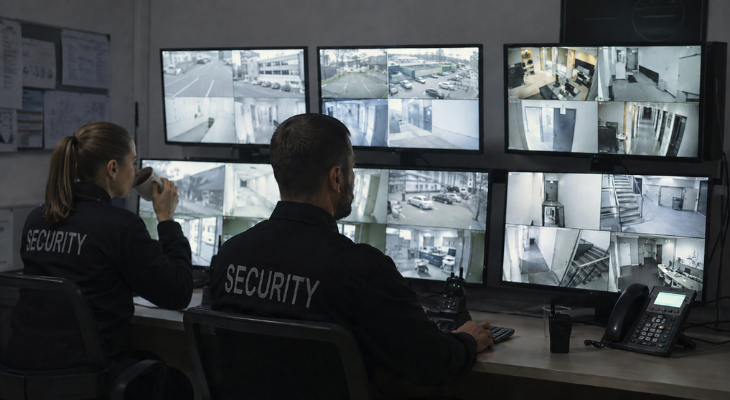
Construction and industrial sites create unique security challenges because they often cover large outdoor areas with multiple access points. These environments may also operate with reduced staffing during evenings, weekends, and shutdown periods.
Remote video monitoring improves visibility across:
- Equipment yards
- Perimeter fencing
- Parking areas
- Temporary offices
- Material storage sections
- Fuel storage areas
Industrial businesses also benefit from stronger documentation when incidents occur. Recorded footage helps confirm timelines, identify suspicious vehicles, and support insurance investigations.
For remote locations, continuous monitoring becomes even more important because emergency response times may already be longer than in urban environments.
How Remote Monitoring Supports Insurance and Liability Protection
Insurance providers increasingly evaluate commercial security measures before issuing coverage for vacant buildings.
Properties with little or no active security may face:
- Higher premiums
- Coverage restrictions
- Increased deductibles
- Additional compliance requirements
Remote video monitoring demonstrates proactive risk management. Businesses can show that properties are actively supervised even when unoccupied.
Monitoring footage may also help verify incident timelines and reduce disputes during claims investigations.
This is especially important for businesses relying on connected monitoring systems and remote access infrastructure.
Industries That Commonly Use Remote Video Monitoring
Remote monitoring now supports a wide range of industries across Alberta and Western Canada.
Commercial real estate companies use monitoring to protect vacant units between tenants. Developers use it to secure active construction projects and unfinished buildings. Industrial facilities use remote monitoring during shutdown periods, maintenance projects, and temporary closures.
Warehousing operations also rely heavily on monitoring because storage facilities often contain valuable inventory and equipment vulnerable to overnight theft.
Retail businesses, energy sector operations, and transportation facilities continue increasing their use of remote monitoring as property crime and operational risks evolve.
Final Thoughts
Vacant commercial properties create serious financial and operational risks when left unmonitored. Theft, vandalism, trespassing, and delayed emergency response can quickly lead to expensive damage and long-term disruptions.
Remote video monitoring helps businesses maintain visibility, improve response times, and reduce vulnerabilities before incidents escalate. For many commercial properties, active monitoring has become an essential part of modern security planning rather than an optional upgrade.
Businesses that invest in proactive monitoring often gain stronger control over property risks, operational continuity, and long-term asset protection.
About Us
GPS Security Group provides professional commercial and industrial security solutions across Alberta and Western Canada. The company supports businesses with remote video monitoring, mobile patrol services, alarm response, event security, fire watch coverage, and integrated security strategies tailored to complex commercial environments.
Their security teams help businesses improve visibility, reduce response times, and strengthen protection across commercial buildings, construction projects, industrial facilities, and remote sites. Businesses looking for proactive commercial security solutions can connect with us today.