Remote work camps operate far from cities. They rely on isolation to stay productive. But that same isolation creates risks. Assets are exposed. Workers live on site. Equipment is scattered across large outdoor areas. A single security issue can interrupt operations and trigger costly delays.
That is why many companies now prioritise camp security Alberta when building or operating remote camps in Western Canada. The goal is simple. Protect people. Protect equipment. Keep work moving without interruption.
Imagine this. It is late at night in a remote drilling area. The camp generator powers down. Camera towers shift into night mode. A trespasser enters from the tree line. Without proper camp security, the site team would not know until morning. With the right systems in place, an alert is triggered instantly. A trained security team responds before anything escalates.
Camp security delivers peace of mind and prevents the issues that hold projects back. Below is a detailed look at how it works.
Why Remote Work Camps Face Higher Security Risks
Remote camps face challenges that urban sites never experience. Vast landscapes. Limited visibility. Long emergency response times. These realities make security a priority, not an add-on.
Isolation Increases Exposure to Criminal Activity
When camps operate far from communities, intruders know they have more time. There is no neighbourhood watch. No nearby patrol cars. Once someone enters the property, detection becomes harder without proper monitoring. This is why well-placed cameras, lights, and security staff matter.
High Value Equipment and Materials Attract Threats
Generators. Trucks. Fuel tanks. Copper. Tools. Remote work camps store everything needed to run operations. Criminals target these items because they can resell them or use them elsewhere. Without a structured security plan, losing even one machine can cause work interruption.
Operational Downtime Becomes a Major Cost
Every camp manager understands the financial impact of delays. Repairs take time. Replacement equipment takes longer to arrive. Field crews stand still during investigation periods. A strong security presence helps prevent these pauses before they affect the schedule.
The Top 5 Risks Remote Camps Face in Western Canada
Security concerns differ from camp to camp. But most problems fall into five categories.
Equipment and Material Theft
This is the most common risk. Thieves look for items that are easy to carry or valuable at scrap yards. Power tools. Copper wire. Fuel. Once stolen, many of these items are gone for good.
Vandalism and Property Damage
Some incidents come from trespassers who have no intention of stealing anything. Broken windows. Damaged vehicles. Smashed lights. Each incident costs money and reduces productivity.
Unauthorised Access to Restricted Areas
It only takes one unverified person walking into a camp to create liability and danger. Camps often house hundreds of workers. Safety depends on controlled entry.
Workplace Disturbances and Conflicts
When people live together in close quarters, tension can build. Proper security oversees communal spaces and helps diffuse issues before they escalate.
Wildlife Intrusion and Night-Time Safety Gaps
Remote camps sit near forests and natural habitats. Wildlife may wander into work zones or campgrounds. Strong lighting and patrol presence reduce this risk.
How Camp Security Prevents These Risks
Camp security works as a layered system. Each part supports the others to create full coverage.
Video Monitoring Provides Continuous Visibility
High-resolution cameras help teams spot movement in real time. Remote operators watch for suspicious activity. Alarms are triggered immediately. Video monitoring also creates recordings for investigations.
Mobile Security Trailers Offer Rapid Deployment
Mobile towers with cameras, speakers, and lights protect areas where permanent structures do not exist. Camps can move these trailers as sites grow or shift. This flexibility makes them ideal for Western Canada’s changing work zones.
On-Site Guards Provide Immediate Response
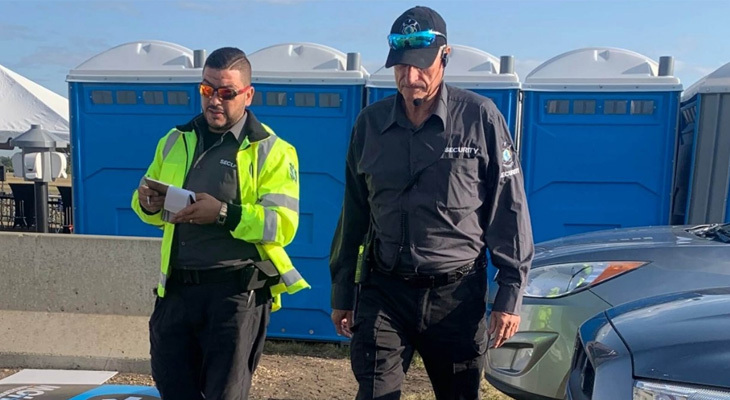
Licensed guards perform foot patrols and monitor access points. They respond to alarms, escort workers, and investigate disturbances. Their visibility deters potential threats.
Access Control Systems Manage Who Enters the Camp
Badging systems and check-in procedures keep entry organized. Logs document who arrives and leaves. This helps prevent unauthorized access and protects workers inside the camp.
Alarm Systems Detect After-Hours Activity
Motion detectors help protect areas with limited visibility. These systems alert security teams the moment something changes.
Patrol Routes Are Designed for Remote Terrain
Security teams study the land. They identify blind spots, long tree lines, and equipment clusters. Patrolling these zones reduces trespassing and protects assets.
Benefits of Professional Camp Security for Remote Sites
Professional camp security does more than prevent incidents. It improves overall operations.
Strong Deterrence Reduces Crime Attempts
Visible cameras, fences, and patrol vehicles discourage criminals from targeting the camp. Most criminal activity occurs when sites look unprotected.
Worker Safety Improves Immediately
Security helps maintain order in living areas. Workers feel safer. This boosts morale and stability.
Delays Become Less Frequent
When theft and vandalism drop, work flows without interruption. Camp managers avoid emergency repairs and reordering equipment.
Better Compliance and Reporting
Security teams track incidents and maintain records. These reports support internal investigations and insurance claims.
Best Practices for Setting Up Camp Security
Assess the Camp Layout
Every camp is different. Teams identify entry points and high-risk zones before placing equipment.
Combine Mobile Trailers With Video Monitoring
Together, they form a powerful system. Cameras provide visibility. Trailers add lighting and height.
Ensure Proper Perimeter Lighting
Proper lighting protects workers and equipment. It also limits nighttime wildlife encounters.
As noted by the Canadian Centre for Occupational Health and Safety, “Poor lighting can be a safety hazard, misjudgment of the position, shape or speed of an object can lead to incidents and injury.”
Create Clear Access Protocols
Teams set rules for visitors, contractors, and delivery drivers. This reduces confusion and increases safety.
Add Guards During High-Risk Hours
Night shifts and shift changes often require the strongest security presence.
Where Camp Security Makes the Biggest Difference
Pipeline Construction Camps
Long work zones need strong perimeter monitoring.
Mining and Exploration Camps
Large machines and isolated operations require constant protection.
Oil and Gas Drilling Camps
High value tools and fuel tanks attract theft.
Forestry and Seasonal Camps
Sites that relocate often benefit from mobile solutions.
About Us
GPS Security Group provides professional security services across Western Canada. The company supports remote camps with trained guards, video monitoring, mobile security trailers, and full-service protection for rugged environments.
Their focus is on safety, prevention, and reliable response. Businesses that want to strengthen protection across Alberta, British Columbia, or Saskatchewan can reach out for tailored support. Contact us today to discuss your security needs.