Special events such as concerts, festivals, corporate conferences, sporting events, community gatherings, and political rallies bring energy, visibility, and large crowds. They also introduce significant safety risks.
Effective crowd management strategies are essential for preventing overcrowding, minimizing liability, and ensuring a secure and positive attendee experience.
This guide breaks down how professional event security teams design, implement, and manage crowd control systems for special events across Canada.
What Is Crowd Management in Special Events?
Crowd management is the structured planning and operational process used to monitor, guide, and regulate the movement and behavior of attendees at an event to ensure safety and order.
It involves:
- Risk assessment
- Staffing strategy
- Access control
- Perimeter security
- Emergency planning
- Real-time monitoring
Crowd management is proactive, while crowd control is reactive. The objective is prevention rather than response.
Why Crowd Management Is Critical for Event Safety
Event organizers are increasingly expected to demonstrate documented crowd safety planning as part of municipal permitting and liability compliance requirements.
Large gatherings increase the probability of:
- Bottlenecks at entrances and exits
- Crowd surges near stages
- Alcohol-related disturbances
- Unauthorized access to restricted areas
- Medical emergencies
- Panic during evacuations
Without a structured crowd management plan, minor issues can escalate quickly.
Professional event security guards reduce these risks by:
- Monitoring crowd density
- Maintaining controlled entry points
- Identifying behavioral warning signs
- Coordinating emergency response
Step 1: Conduct a Comprehensive Crowd Risk Assessment
Every successful event begins with a risk analysis.
Key Assessment Factors:
- Expected attendance numbers
- Venue capacity and layout
- Indoor vs outdoor environment
- Alcohol service
- VIP presence
- Event duration
- Crowd demographics
- Weather exposure
- History of past incidents
This determines:
- Guard-to-attendee ratio
- Security deployment zones
- Level of surveillance required
- Emergency response readiness
A documented risk mitigation plan also protects organizers from liability exposure.
Step 2: Determine Proper Security Staffing Ratios
A common planning question is:
How many security guards are needed for a special event?
While requirements vary, general staffing guidelines include:
- Low-risk events: 1 guard per 100–150 attendees
- Moderate-risk events: 1 guard per 75–100 attendees
- High-risk events: 1 guard per 50–75 attendees
Additional personnel may be required for:
- Backstage areas
- VIP escort services
- Parking lot patrol
- Perimeter monitoring
- Command center coordination
Understaffing increases response time and legal risk.
Step 3: Strategic Placement of Crowd Management Personnel
Guard placement must follow crowd flow patterns and risk zones.
Priority Deployment Areas:
- Main entrances and exits
- Emergency evacuation routes
- Stage-front barrier areas
- Access control checkpoints
- VIP zones
- Restricted backstage areas
- Parking lots and external perimeters
Mobile patrol units provide dynamic visibility and rapid incident response.
Strategic placement reduces blind spots and improves situational awareness.
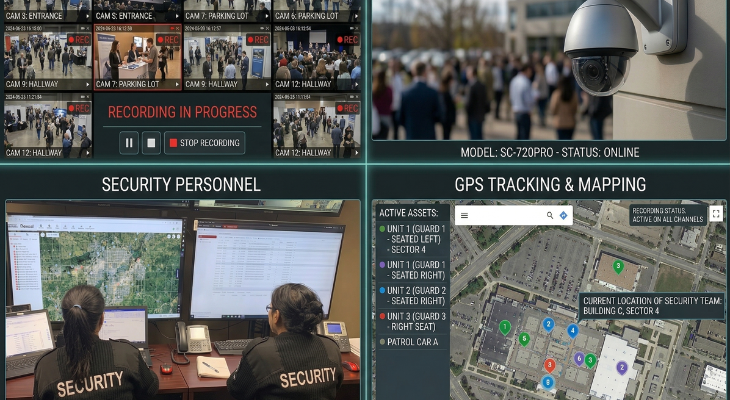
Step 4: Integrate Technology for Real-Time Monitoring
Modern crowd management combines trained personnel with advanced surveillance systems.
Technology Used in Event Crowd Management:
- CCTV surveillance systems
- Access control scanners
- RFID ticket verification
- Two-way encrypted radio communication
- AI-powered video analytics
- Mobile command centers
- Emergency alert systems
Technology enhances detection, communication, and documentation — but does not replace professional guards.
Step 5: Develop a Structured Emergency Response Plan
Emergency preparedness is non-negotiable.
A complete event crowd management plan should include:
- Fire evacuation procedures
- Medical emergency response
- Severe weather protocols
- Active threat response planning
- Coordination with local police and EMS
- Clear chain-of-command structure
Security personnel must be trained in:
- De-escalation techniques
- Crowd psychology
- CPR and First Aid
- Incident documentation
Pre-event briefings ensure operational alignment.
Step 6: Train Security Guards in Crowd Psychology & De-Escalation
Crowds behave differently than individuals.
Professional event security guards are trained to recognize:
- Escalating tension
- Aggressive behavior patterns
- Overcrowding pressure points
- Panic indicators
Proper communication and calm intervention prevent incidents from spreading.
Uniform presentation may also be adjusted based on event type to maintain appropriate visibility and guest comfort.
Event Crowd Management Planning Checklist
Use this simplified operational checklist:
- Conduct site risk assessment
- Confirm staffing ratios
- Map entry and exit flow
- Install access control systems
- Test communication devices
- Brief all personnel
- Coordinate with local authorities
- Establish emergency command center
- Monitor crowd density in real-time
- Document all incidents
Structured preparation prevents reactive chaos.
Common Crowd Management Mistakes to Avoid
Even experienced organizers make preventable errors.
Avoid:
- Underestimating attendance
- Ignoring crowd behavior trends
- Failing to rehearse evacuation routes
- Insufficient guard training
- Poor communication protocols
- Weak perimeter control
Crowd safety requires layered protection.
Why Professional Event Security Services Matter
Crowd management is a specialized discipline, not simply temporary staffing.
Professional event security providers deliver:
- Comprehensive risk assessments
- Trained crowd management personnel
- Strategic deployment plans
- Integrated surveillance systems
- Real-time command oversight
- Liability risk reduction
The difference between an orderly event and a chaotic one often lies in planning depth and execution discipline.
Secure Your Event with GPS Security
When organizing special events across Western Canada, partnering with a professional security provider is critical.
GPS Security is a trusted event security guard services company operating throughout Western Canada, delivering end-to-end event protection solutions.
Our services include:
- Professional event security guards
- Crowd management specialists
- Mobile patrol units
- VIP protection
- Access control management
- Integrated video monitoring systems
- 24/7 dispatch support
With extensive experience managing concerts, festivals, corporate events, sporting events, and community gatherings, GPS Security develops customized crowd management plans tailored to your event’s size, risk level, and venue layout.
Frequently Asked Questions
What are crowd management strategies for special events?
Crowd management strategies for special events are structured planning methods used to monitor, guide, and regulate attendee movement to ensure safety and order. These strategies include risk assessment, security staffing, access control, crowd flow management, emergency planning, and real-time monitoring.
What is the difference between crowd management and crowd control?
Crowd management focuses on proactive planning and prevention, including staffing strategy, venue layout, and crowd flow design. Crowd control is reactive and involves responding to incidents such as disturbances, overcrowding, or emergency situations after they occur.
How many security guards are needed for a special event?
Security staffing ratios depend on event risk level, attendance size, venue layout, and alcohol service. General guidelines range from one guard per 50 to 150 attendees. High-risk events, VIP gatherings, or large concerts typically require higher guard density and specialized deployment.
Why is crowd management important for event safety?
Effective crowd management reduces the risk of bottlenecks, crowd surges, medical emergencies, unauthorized access, and panic during evacuations. Structured planning protects attendees, reduces liability exposure, and ensures a safe and positive event experience.
Who is responsible for crowd safety at an event?
Event organizers and venue operators are primarily responsible for crowd safety. However, professional event security teams play a critical role in implementing crowd management plans, monitoring crowd density, coordinating emergency response, and maintaining order.
What technologies are used in modern event crowd management?
Modern crowd management integrates CCTV surveillance systems, access control scanners, RFID ticket verification, two-way communication systems, AI-based video monitoring, and mobile command centers. Technology supports detection and documentation but works best when combined with trained security personnel.
What is crowd density monitoring?
Crowd density monitoring involves tracking the number of people within specific zones to prevent overcrowding and reduce the risk of surges or restricted movement. Security teams use observation techniques and surveillance tools to identify pressure points before they escalate.
Planning an upcoming event?
Contact GPS Security to discuss a customized crowd management and event security strategy tailored to your upcoming event.
Your event’s safety starts with the right strategy and the right security partner.