
Businesses today depend on digital systems for communication, storage, and operations. However, this reliance increases exposure to cyber risks that can disrupt workflows and cause financial damage.
Many organizations only react after an incident occurs, which often leads to higher recovery costs. That is why investing in professional IT security services is essential for modern businesses.
If you already rely on integrated security solutions for commercial operations, combining cyber and physical protection strengthens your overall defence strategy.
Why IT Security Services Are Essential for Modern Businesses
Technology is evolving rapidly, and so are cyber threats. Businesses now face attacks that are more targeted, automated, and difficult to detect. Even a small vulnerability can lead to unauthorized access or system failure.
The Canadian Centre for Cyber Security explains that cybersecurity is the protection of digital information and the systems and devices that store and access it.
This highlights the importance of protecting both data and infrastructure. IT security services provide continuous monitoring, advanced detection tools, and response strategies that reduce exposure to risk.
Without these services, businesses often rely on outdated systems that cannot handle modern threats. As a result, attackers can exploit weaknesses before they are even noticed.
Common Threats IT Security Services Can Eliminate
Ransomware Attacks
Ransomware remains one of the most damaging cyber threats today. It encrypts files and demands payment for access, often completely disrupting operations. Many businesses lose access to critical systems, which leads to downtime and revenue loss.
IT security services prevent ransomware through real-time monitoring and threat detection. They also quickly isolate infected systems, limiting the spread of the attack. Backup strategies ensure that data can be restored without paying a ransom.
Phishing and Social Engineering
Phishing attacks target employees through emails, messages, or fake websites. These attacks often appear legitimate and trick users into sharing sensitive information. Once access is gained, attackers can move deeper into business systems.
IT security services use email filtering and behavioural analysis to block suspicious messages. Training programs also help employees recognize warning signs. This combination reduces human error, which is a major cause of breaches.
Insider Threats
Insider threats occur when employees or contractors misuse access. This can be intentional or accidental, but the impact can be severe. Sensitive data may be exposed or systems may be compromised.
Security services track user activity and monitor access levels. If unusual behaviour is detected, alerts are triggered immediately. This helps prevent data leaks and ensures accountability across the organization.
Data Breaches
A data breach exposes confidential business or customer information. This can lead to legal penalties and loss of trust. In many cases, breaches occur due to weak security controls or outdated systems.
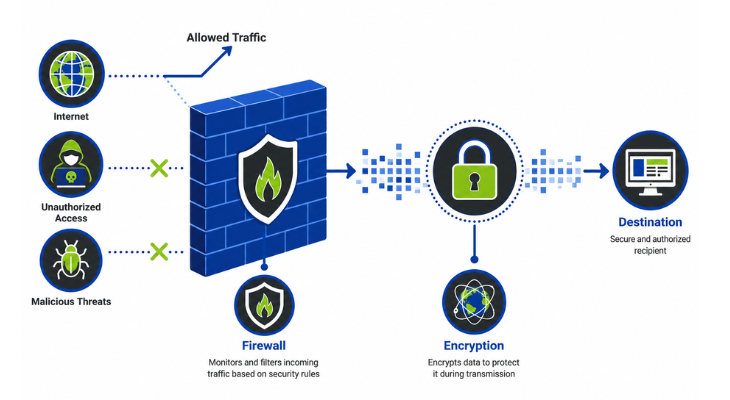
Encryption and access control systems protect sensitive data from unauthorized access. IT security services also monitor for suspicious activity, which helps detect breaches early and limit damage.
Malware and Viruses
Malware includes harmful software that disrupts operations or steals data. It can spread through downloads, email attachments, or compromised websites. Once inside a system, malware can affect performance and security.
IT security services use advanced tools to detect and remove malware in real time. Regular system scans and updates also prevent infections from spreading. This ensures systems remain stable and secure.
Weak Network Security
Unsecured networks create entry points for attackers. This is especially common in businesses with outdated infrastructure or poorly configured systems. Unauthorized users can gain access to sensitive information without detection.
Strong firewalls and intrusion detection systems help secure networks. IT security services also monitor traffic patterns to identify unusual activity. This prevents unauthorized access and strengthens overall network security.
Cloud Security Risks
Cloud platforms offer flexibility, but they also introduce new risks. Misconfigured settings or weak access controls can expose data. Many businesses assume cloud providers handle all security, which is not always the case.
The Government of Canada states that cloud services offer flexibility and scalability, but organizations must understand shared security responsibilities.
IT security services ensure proper configuration and continuous monitoring. This reduces the risk of data leaks and unauthorized access.
DDoS Attacks
Distributed Denial of Service attacks overwhelm systems with traffic. This can shut down websites or applications, leading to lost revenue and customer frustration. These attacks often target businesses during peak operations.
IT security services use traffic filtering and mitigation tools to manage these attacks. They ensure systems remain accessible even during high traffic volumes. This protects business continuity and customer experience.
Unpatched Software Vulnerabilities
Outdated software is a common entry point for attackers. Many businesses delay updates, which leaves systems exposed. Hackers actively search for known vulnerabilities to exploit.
IT security services manage updates and patch vulnerabilities regularly. This ensures systems remain protected against known threats. Continuous monitoring also helps identify new risks before they are exploited.
How IT Security Services Eliminate These Threats
IT security services focus on prevention, detection, and response. They monitor systems continuously and identify unusual activity before it escalates. This proactive approach reduces the likelihood of major incidents.
Regular audits help identify weaknesses in systems and processes. Security teams then implement solutions to address these gaps. Employee training also plays a key role in reducing risks related to human error.
Organizations should regularly update systems and train employees to reduce cyber risks. By combining technology and awareness, businesses can build a strong defence against cyber threats.
Business Impact of Ignoring IT Security Threats
Ignoring cyber threats can lead to serious financial and operational consequences. Businesses may experience downtime, which disrupts productivity and affects revenue. Recovery costs can also be high.
Reputation damage is another major concern. Customers expect their data to be secure. A breach can reduce trust and impact long-term relationships. In competitive industries, this can result in lost opportunities.
What to Look for in a Reliable IT Security Services Company
Choosing the right provider is critical for effective protection. Businesses should look for companies that offer continuous monitoring and fast response times. Experience across different industries is also important.
A reliable provider will offer scalable solutions that grow with your business. Integration with physical security systems adds another layer of protection. Many organizations benefit from comprehensive security services in Alberta that combine digital and on-site solutions.
Conclusion
Cyber threats continue to evolve, making proactive protection essential for every business. IT security services provide the tools and expertise needed to eliminate risks before they impact operations.
By investing in the right solutions, businesses can protect their systems, data, and reputation. Strong security is not just a technical requirement. It is a critical part of long-term success.
About Us
GPS Security Group provides professional security solutions for businesses across Western Canada. Our services include IT security, monitoring systems, and on-site protection designed for high-risk environments.
Our team focuses on proactive strategies that reduce risks before they escalate. Learn more about our services or connect with our team to discuss your requirements.